
Hempcrete in Canadian Construction
Hemp hurd and lime binder combined to form a lightweight wall material with strong thermal and hygroscopic properties. Used in residential builds across Ontario and Quebec.
Read articleDocumentation on low-carbon materials, green certifications, and construction approaches used across Canadian residential and commercial sectors.
Three areas covered in detail: natural wall systems with hempcrete, vegetated green roof installation, and the LEED certification process as it applies to projects in Canada.
Hemp hurd and lime binder combined to form a lightweight wall material with strong thermal and hygroscopic properties. Used in residential builds across Ontario and Quebec.
Read article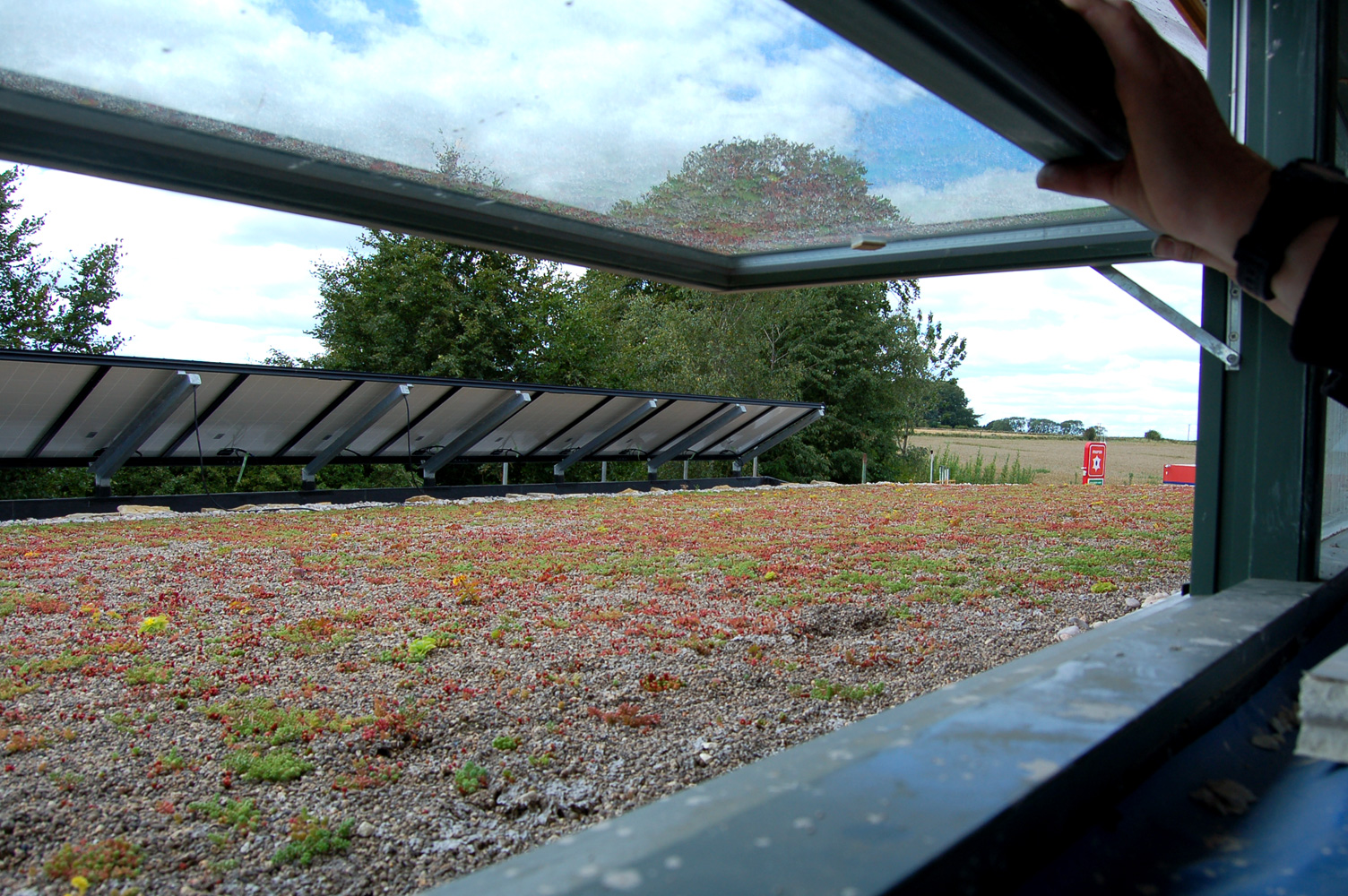
Extensive and intensive vegetated roof assemblies adapted to Canadian climate zones. Covers drainage layers, growing media selection, and relevant municipal incentive programs.
Read article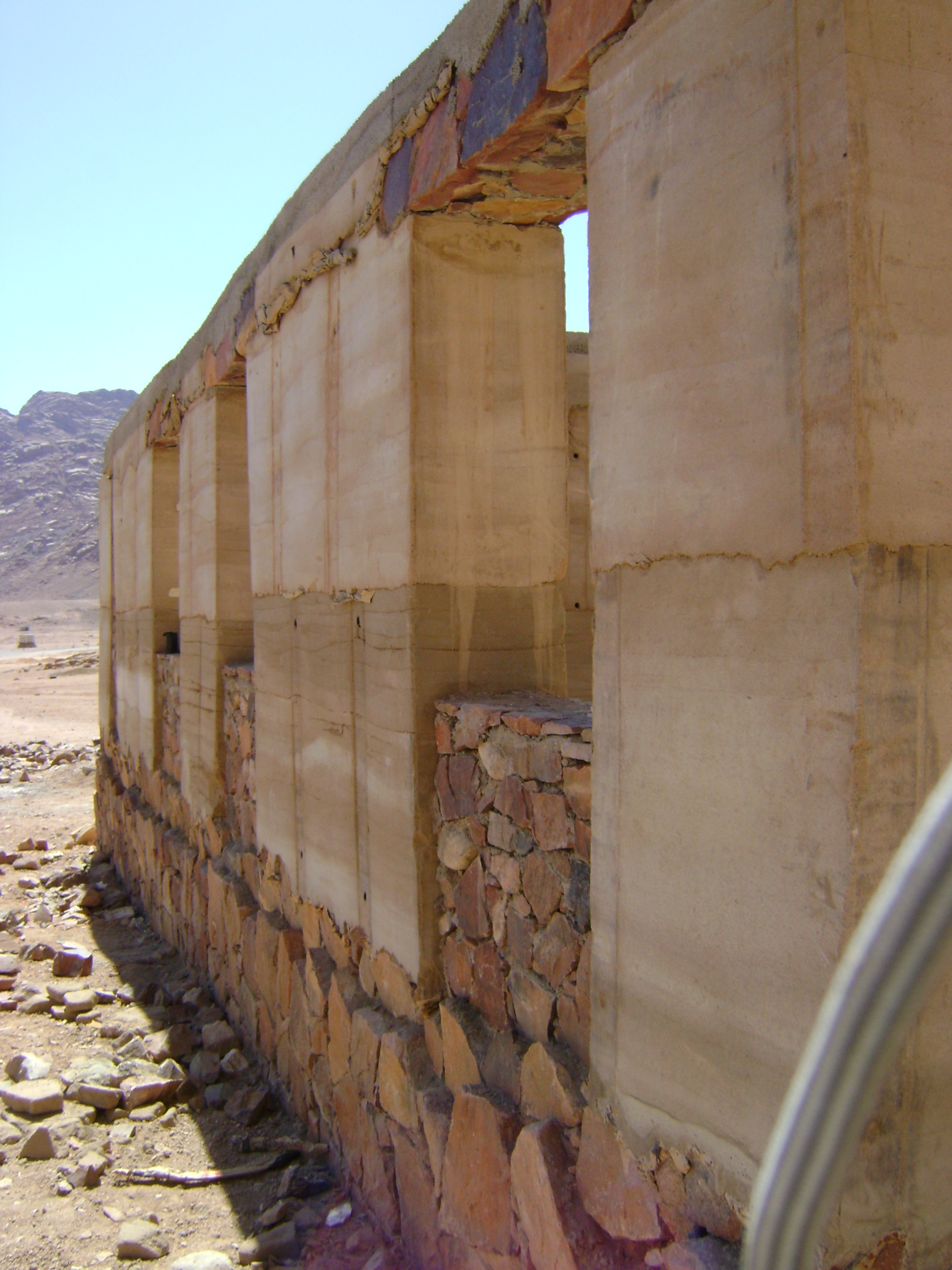
How LEED BD+C and O+M rating systems function in a Canadian context, which credits align with the National Building Code, and how provincial requirements interact with LEED prerequisites.
Read articleCanada's construction sector accounts for a substantial portion of national greenhouse gas emissions, driven primarily by energy use in heating and cooling. Federal and provincial governments have introduced a range of programs aimed at reducing the embodied carbon of new builds and improving the operational performance of existing stock.
Materials such as hempcrete, cross-laminated timber, and mineral wool insulation have moved from niche applications to broader adoption in recent years, supported by revisions to building codes and the expansion of green certification programs like LEED and the Living Building Challenge.
This site documents technical and regulatory details relevant to practitioners working on sustainable construction projects in Canada. Content draws on publicly available guidance from Natural Resources Canada, the Canada Green Building Council, and provincial building authorities.
Use this form to submit corrections, suggest additional topics, or ask about the content on this site.